ROOM THERMOSTAT
Lowest comfortable setting
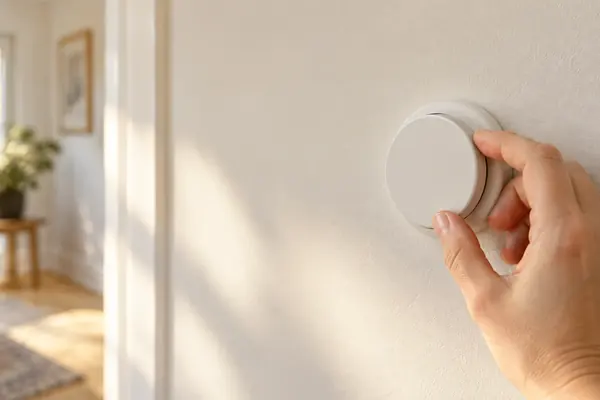
For most people that is 18°C to 21°C. Turning the thermostat up when it is cold outside won't heat your home any faster.
Check a setting doodlecontrol
HEATING CONTROLS, EXPLAINED
Most homes already have the controls.
Check a setting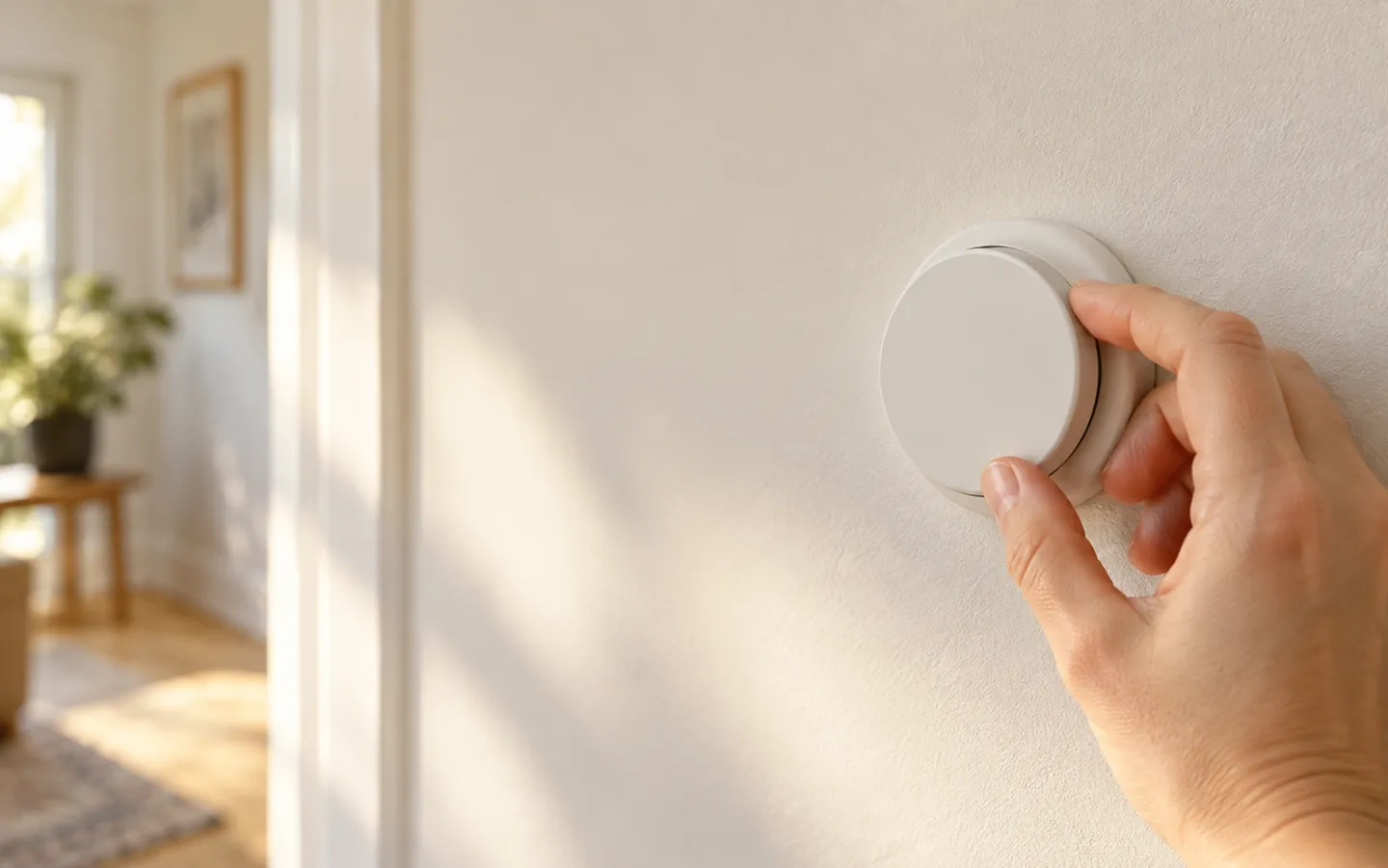
18–21°Cfor most people
A programmer decides when, a room thermostat decides how warm, and radiator valves fine-tune each room. Used together, the Energy Saving Trust says they keep you comfortable without heating rooms you are not using.
Updated
THE SHORT ANSWER
Heating and hot water are over half of a typical home's energy use.
The controls decide how much of it is wasted.
ROOM THERMOSTAT
For most people that is 18°C to 21°C. Turning the thermostat up when it is cold outside won't heat your home any faster.
Check a settingRADIATOR VALVES
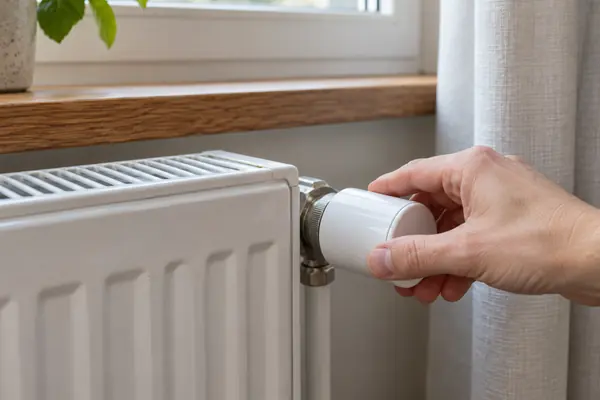
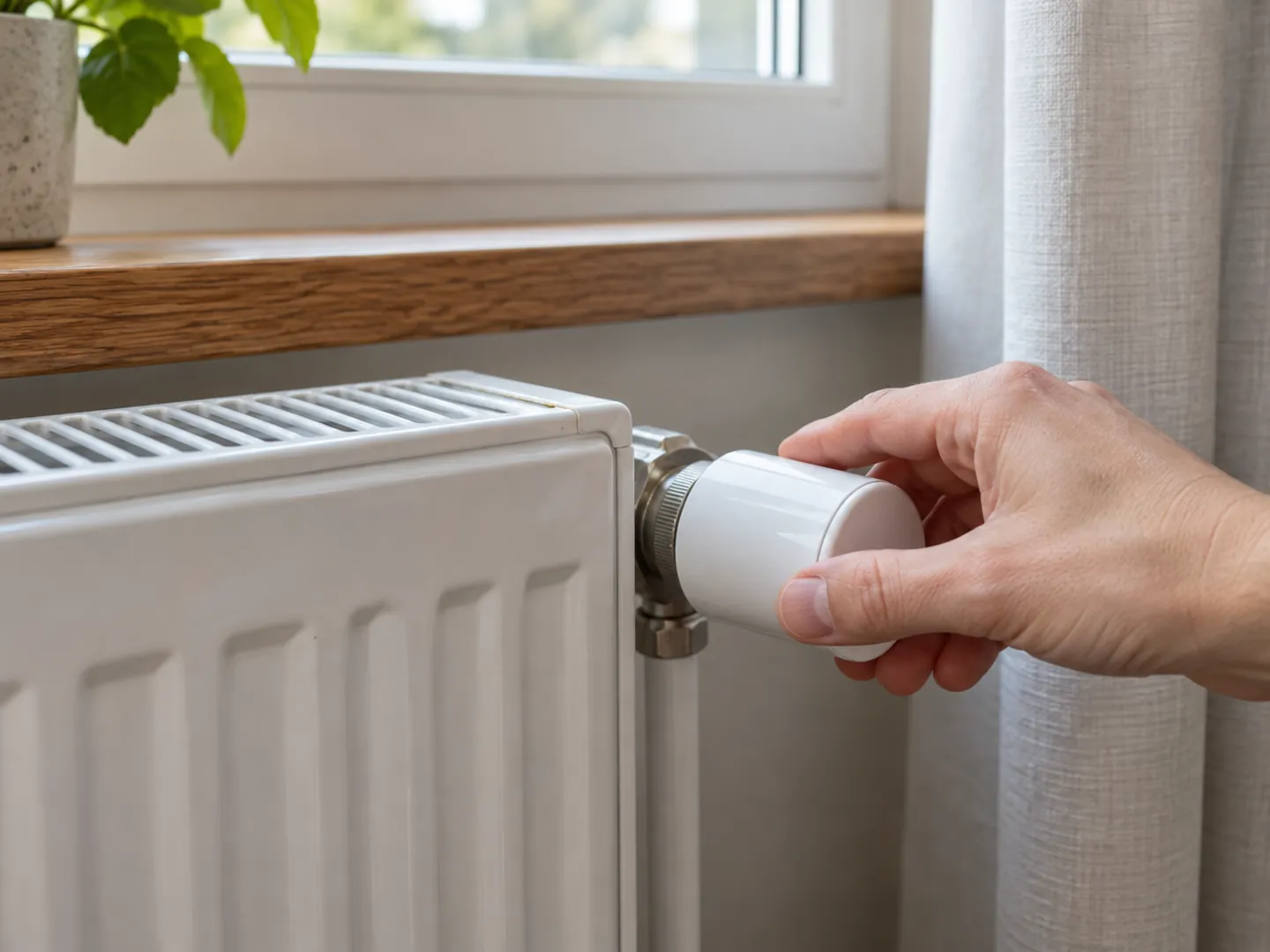
TRVs sense the air around them and cut the flow of hot water as a room warms. Try 3 to 4 in rooms you use most and 2 to 3 in bedrooms.
How to set themPROGRAMMER
The Energy Saving Trust suggests heating about half an hour before you get up and switching off about half an hour before bed.
See the numbersA QUICK SETTINGS CHECK
Pick a control to see the setting Energy Saving Trust guidance suggests. The bar shows how warm that setting runs.
Based on Energy Saving Trust advice for gas, oil and LPG boiler systems. Check your own controls' manual too.
TWO NUMBERS WORTH KNOWING
Energy Saving Trust estimates
for Great Britain.
£120 a year
Thermostat from 22°C down to 21°C
The Energy Saving Trust estimates turning the thermostat down by one degree, from 22°C to 21°C, saves £120 a year in Great Britain and £80 in Northern Ireland.
ONE DEGREE · ENERGY SAVING TRUST
£100 a year
Programmer, thermostat and TRVs
Installing and using all three could save around £100 a year in Great Britain and £110 in Northern Ireland. Adding a programmer, thermostat and TRVs costs around £600.
FULL SET · ENERGY SAVING TRUST
Home Energy Scotland notes that research shows few people really understand their heating controls, and many simply don't use them.
FOUR STEPS THIS WEEK
None of this needs new kit. It is about setting the controls you already have, following Energy Saving Trust advice.
Make sure the time is right, especially after the clocks change, then set the heating to come on about 30 minutes before you get up.
Set the room thermostat to the lowest temperature that feels comfortable, usually between 18°C and 21°C.
If unsure, set each valve to a middle number. Too warm? Turn it down. Too cool? Turn it up.
Keep it clear of curtains and furniture and away from radiators, and avoid radiator covers that trap heat around a TRV.
WARMTH AND HEALTH
The NHS says keeping warm over winter can help prevent colds, flu and more serious problems such as heart attacks, strokes, pneumonia and depression. It advises heating the rooms you use regularly to at least 18°C if you can.
The Energy Saving Trust says comfort and health should take priority over energy savings, and that homes with older people, someone with a health condition or someone at home a lot may need a higher minimum temperature.
Questions
No. The Energy Saving Trust says your home heats up to the set temperature whatever the setting, so turning it up won't make it warm any faster. On cold days, set the heating to come on a little earlier instead.
The lowest comfortable temperature for you, which for most people is 18°C to 21°C. The NHS advises at least 18°C in the rooms you regularly use, if you can.
TRVs usually have a scale from 0 (off) to 6 (fully open). The numbers do not match the same temperature on every model; lower means cooler and higher means warmer.
The Energy Saving Trust advises setting a hot water cylinder thermostat to 60°C, which is hot enough to kill harmful bacteria but also hot enough to scald.
At least a programmer, at least one room thermostat and thermostatic radiator valves, plus a cylinder thermostat if there is a hot water cylinder.
ABOUT THIS NAME
doodlecontrol.com is part of the DoodleSale portfolio. It isn't in an auction right now, but you can ask about leasing it.